Bulguksa Temple
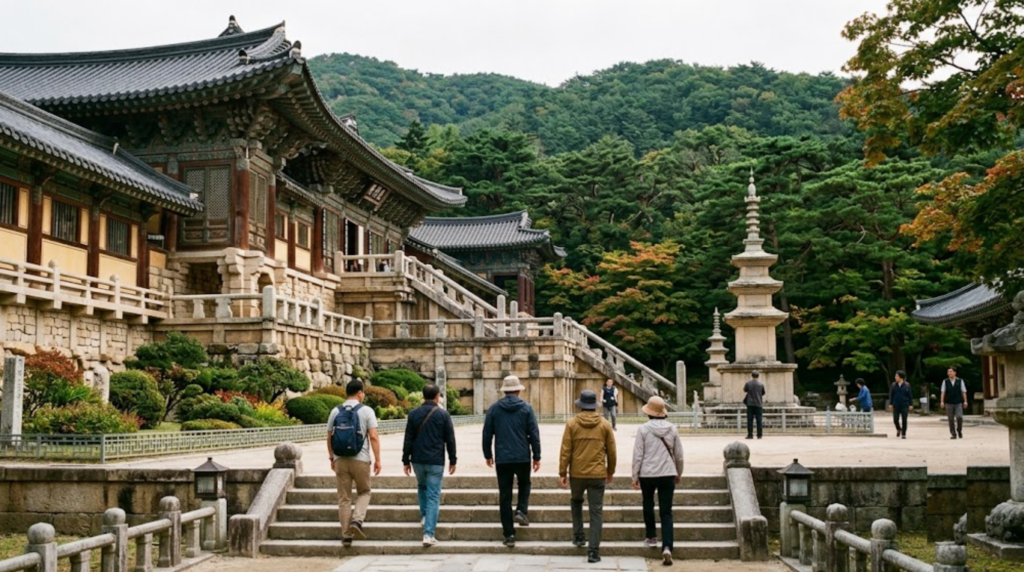
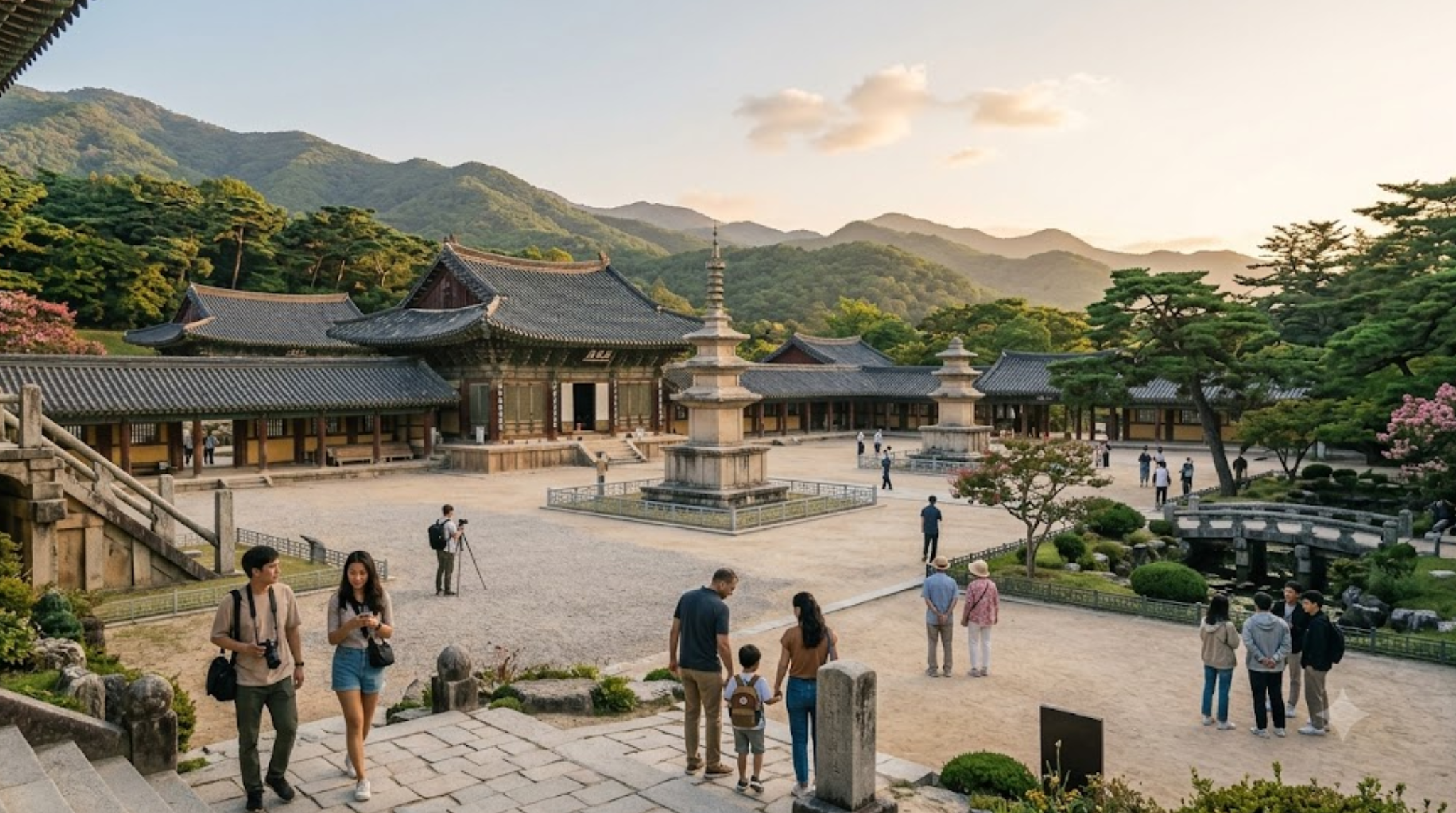
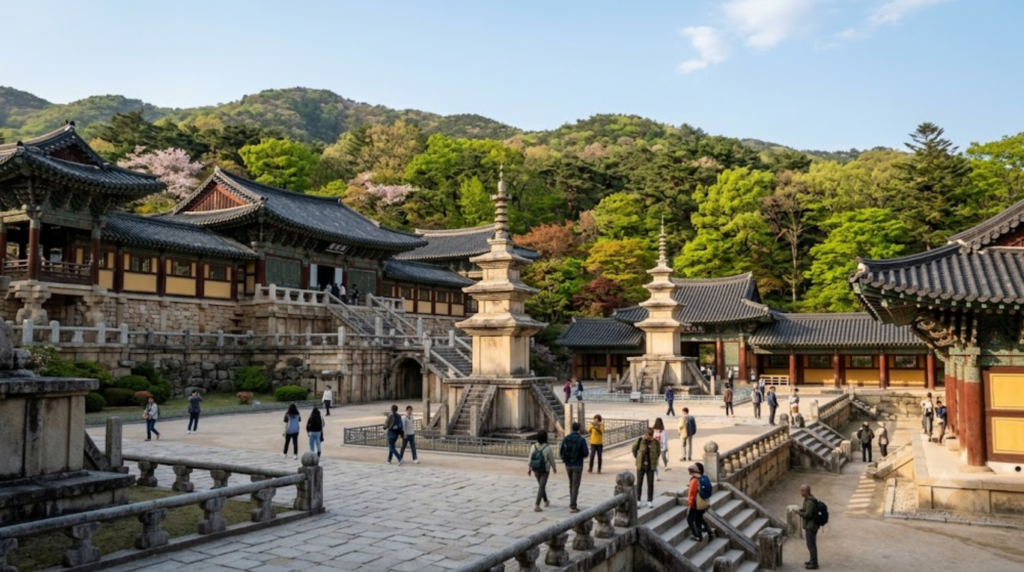
Bulguksa Temple is one of Gyeongju’s most important cultural landmarks. The historic Buddhist temple complex features beautiful stone terraces, traditional Korean architecture and peaceful gardens surrounded by forested hills.
Discover Gyeongju, South Korea’s historic cultural capital, home to ancient temples, royal tombs, UNESCO-listed heritage sites, traditional architecture and the fascinating legacy of the Silla Kingdom.
Plan My Gyeongju Holiday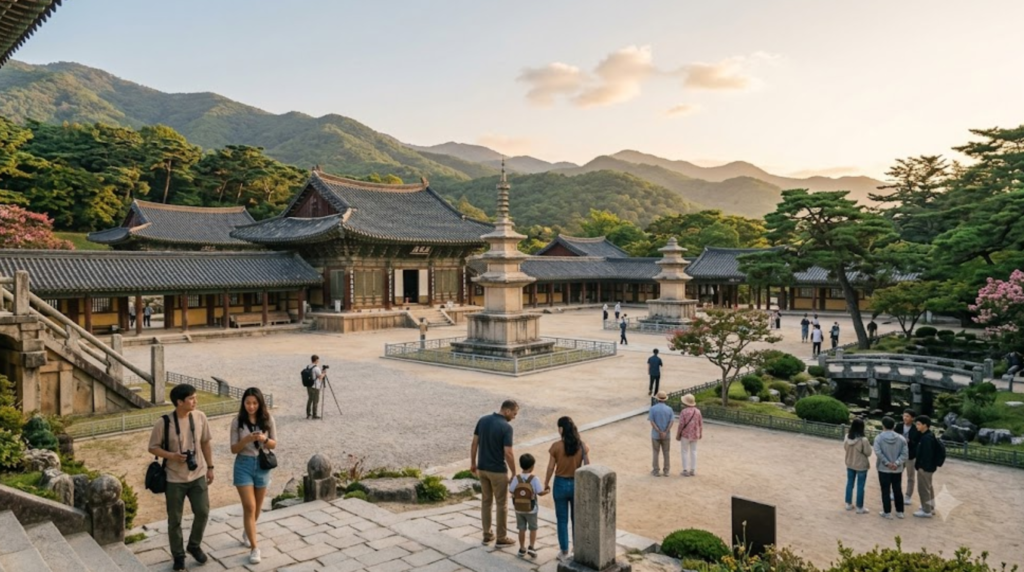
Gyeongju is one of South Korea’s most fascinating destinations for travellers interested in history, culture and traditional Korean heritage. Once the capital of the ancient Silla Kingdom, the city is filled with temples, royal tombs, historic monuments and archaeological treasures spread across a beautiful landscape.
Unlike the modern energy of Seoul or the coastal atmosphere of Busan, Gyeongju offers a quieter journey into Korea’s past. Ancient sites are surrounded by green hills, peaceful parks and traditional architecture, creating an atmosphere that feels very different from South Korea’s major metropolitan cities.
One of Gyeongju’s most important attractions is Bulguksa Temple, a remarkable example of traditional Buddhist architecture. Nearby, Seokguram Grotto adds another important dimension to the city’s cultural heritage, making the area particularly rewarding for travellers interested in Korean history and Buddhism.
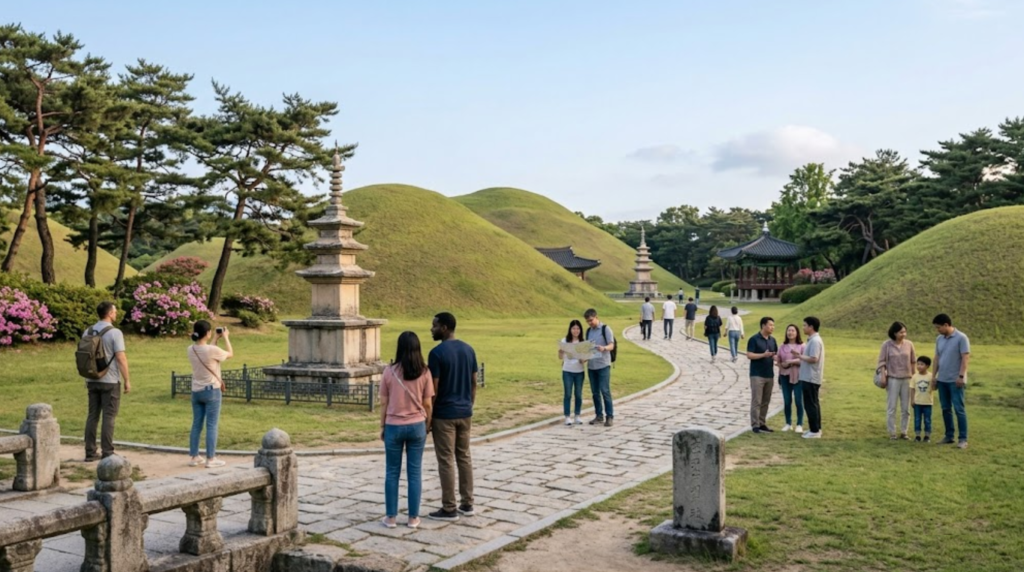
Gyeongju is also known for its ancient royal burial sites. The Daereungwon Tomb Complex features enormous grass-covered burial mounds associated with the Silla period, while nearby Cheomseongdae Observatory offers another glimpse into the scientific and cultural achievements of ancient Korea.
Discover the must-visit places in Gyeongju
Bulguksa Temple is one of Gyeongju’s most important cultural landmarks. The historic Buddhist temple complex features beautiful stone terraces, traditional Korean architecture and peaceful gardens surrounded by forested hills.
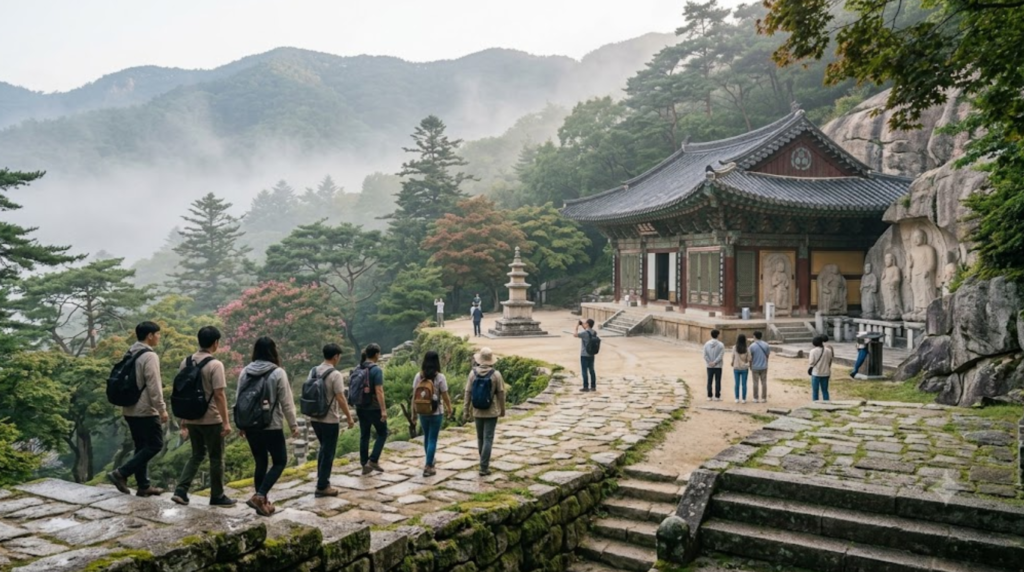
Located on the slopes of Mount Toham, Seokguram Grotto is an important Buddhist heritage site known for its remarkable stone Buddha sculpture and mountain setting.
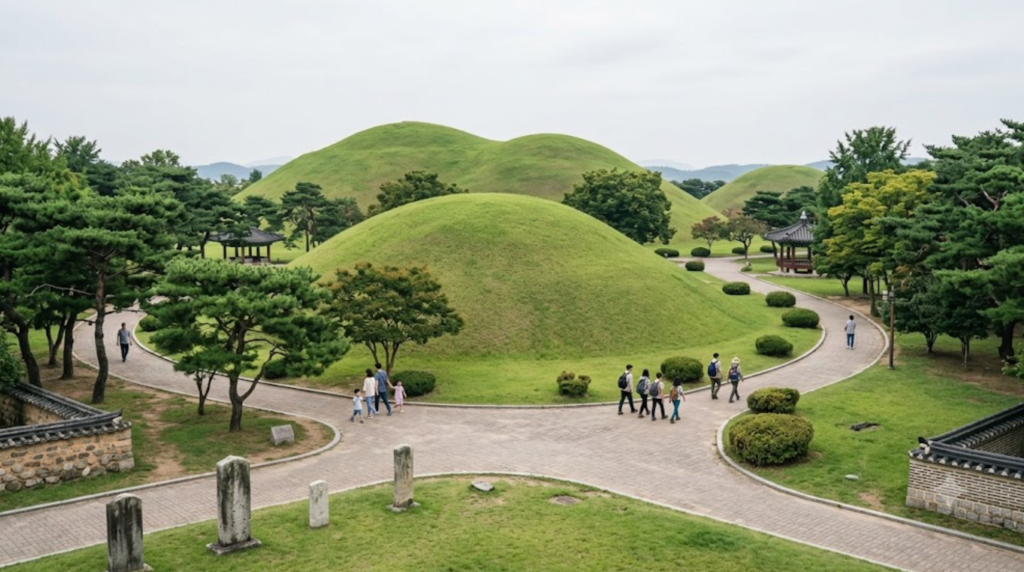
Daereungwon is famous for its large grass-covered royal burial mounds from the Silla period. Walking through the peaceful complex provides a unique opportunity to see ancient Korean history integrated into the modern city.
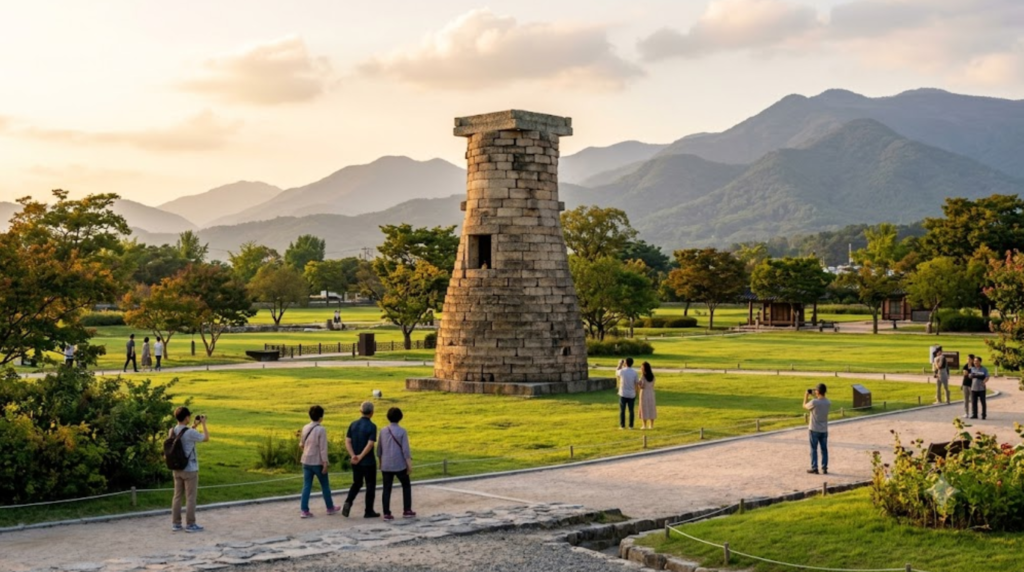
Cheomseongdae is an ancient astronomical observatory and one of Gyeongju’s most recognisable historic landmarks. Its distinctive stone structure reflects the advanced knowledge and culture of the Silla period.
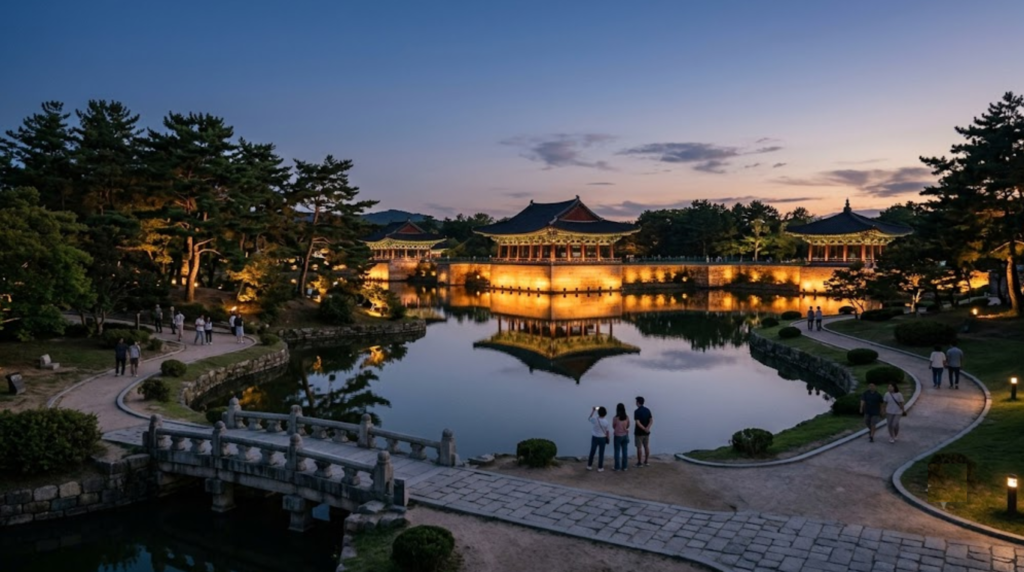
Donggung Palace and Wolji Pond is one of Gyeongju’s most beautiful historical sites. The traditional palace structures reflected in the calm pond become especially atmospheric after sunset.
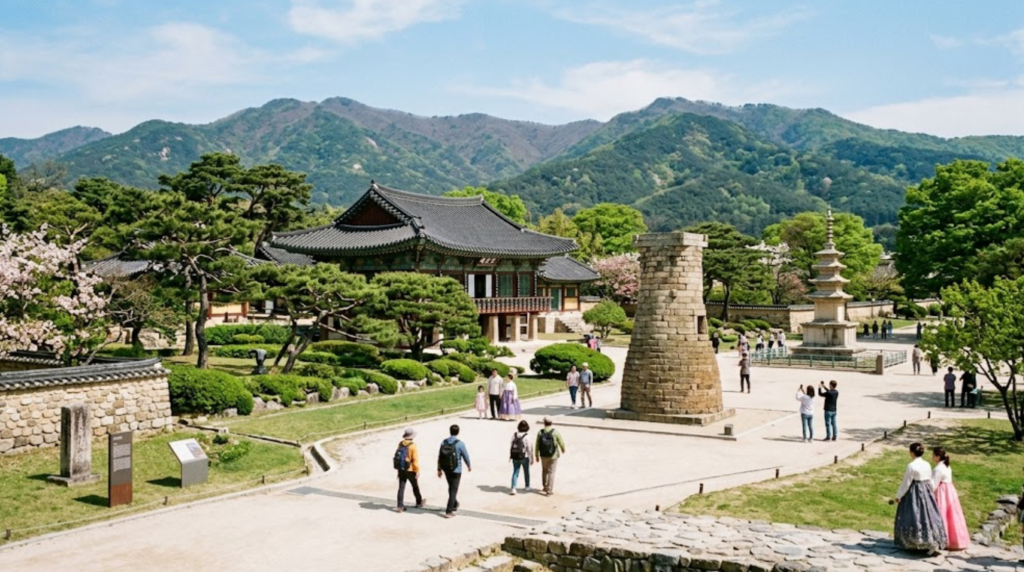
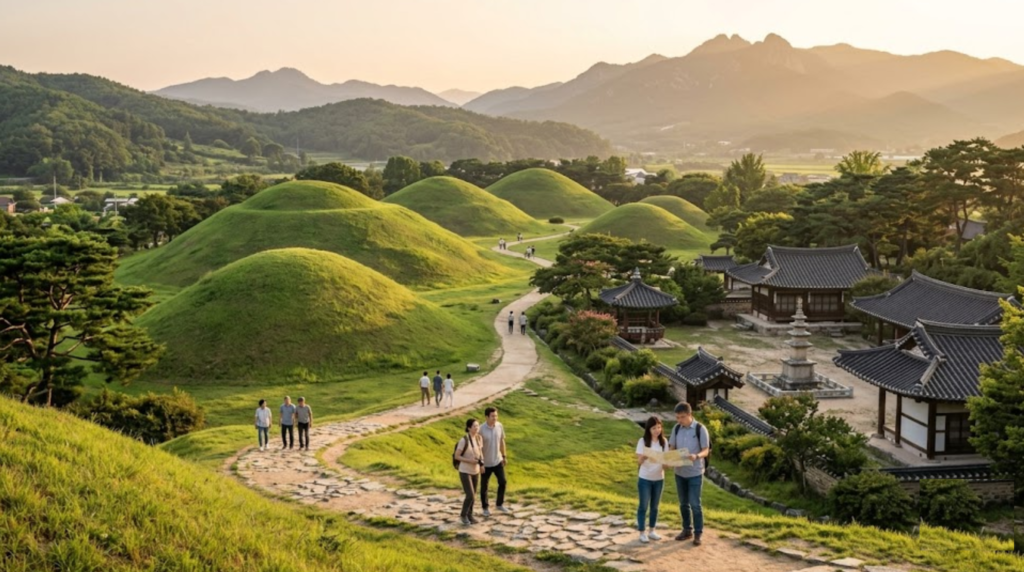
The historic areas of Gyeongju bring together ancient monuments, temples, tombs, parks and archaeological sites across a scenic cultural landscape.
Discover memorable experiences in Gyeongju.
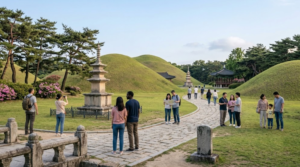
Discover the temples, royal tombs, observatories and monuments that reveal the history of the Silla Kingdom.
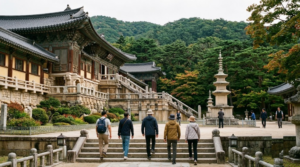
Walk through the historic temple complex, admire traditional Korean Buddhist architecture and enjoy its peaceful mountain surroundings.
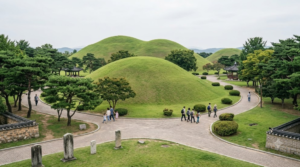
Explore Daereungwon and its impressive ancient burial mounds while learning about Korea’s Silla-era royal history.
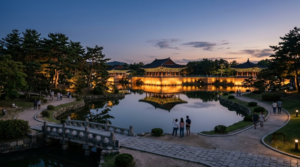
Visit Donggung Palace and Wolji Pond after sunset to see traditional Korean architecture reflected beautifully in the water.
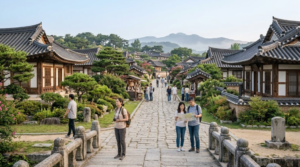
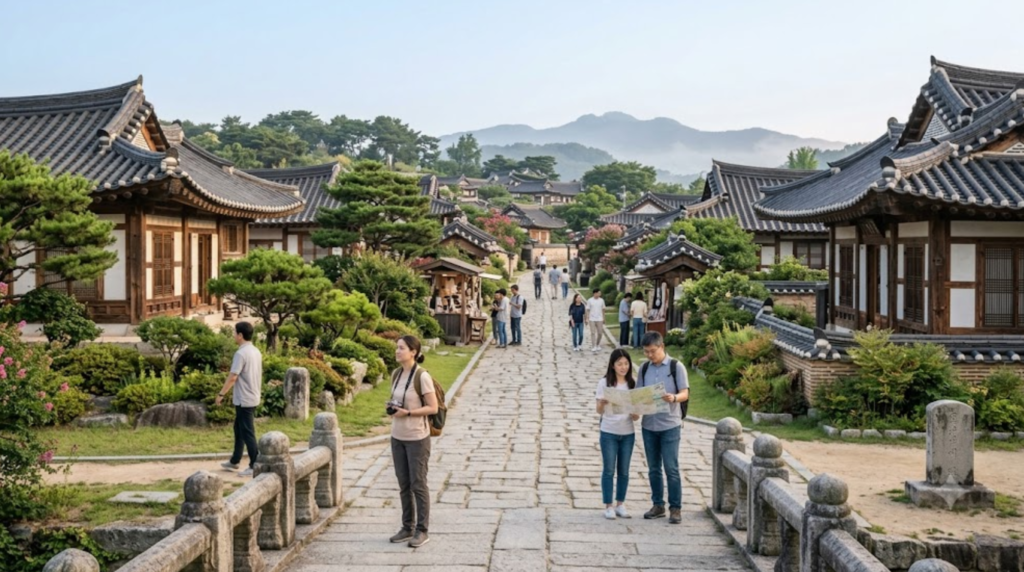
Explore historic neighbourhoods, cultural sites and traditional architecture to experience a quieter and more authentic side of Korea.
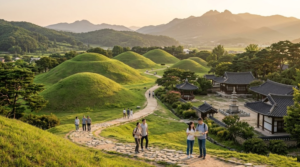
Combine cultural sightseeing with peaceful walks through green parks, historic landscapes and mountain surroundings.
Discover the breathtaking landscapes, vibrant local culture, and memorable experiences waiting for you.